Haridwar · Vision generated
Haridwar 2080
Haridwar 2080: The Eco-Spiritual Sanctuary
Solarpunk style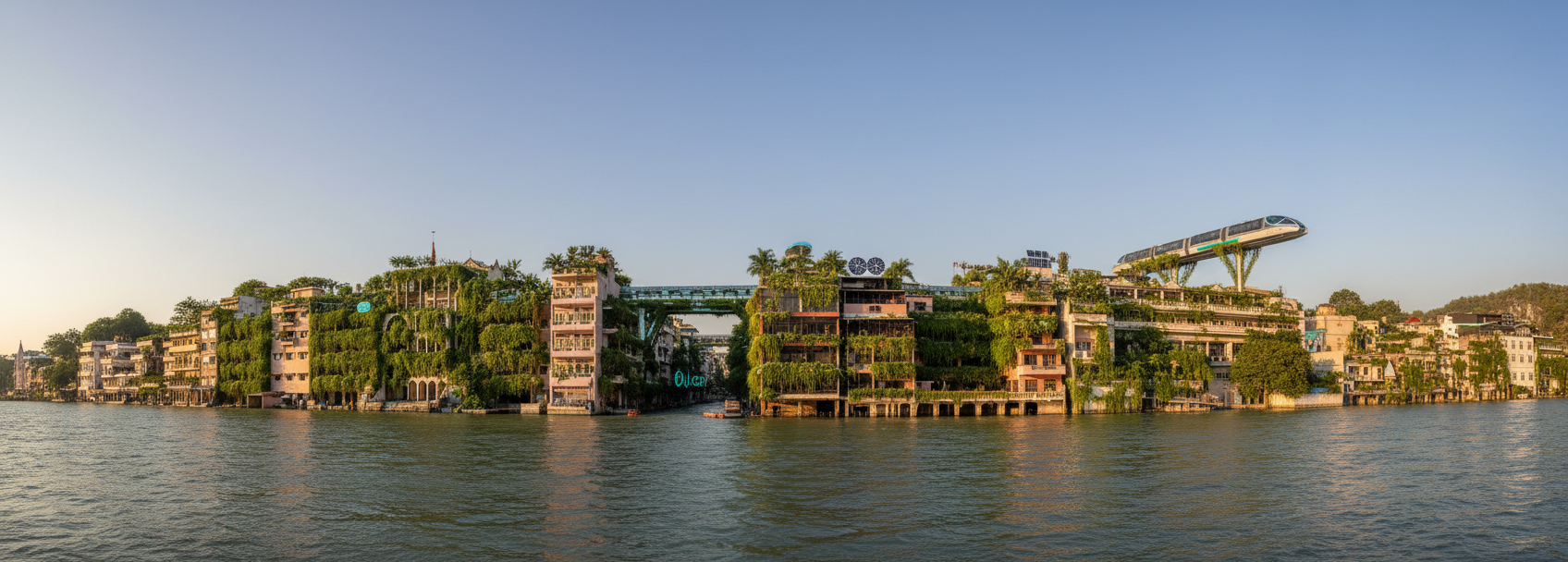 Reimagined
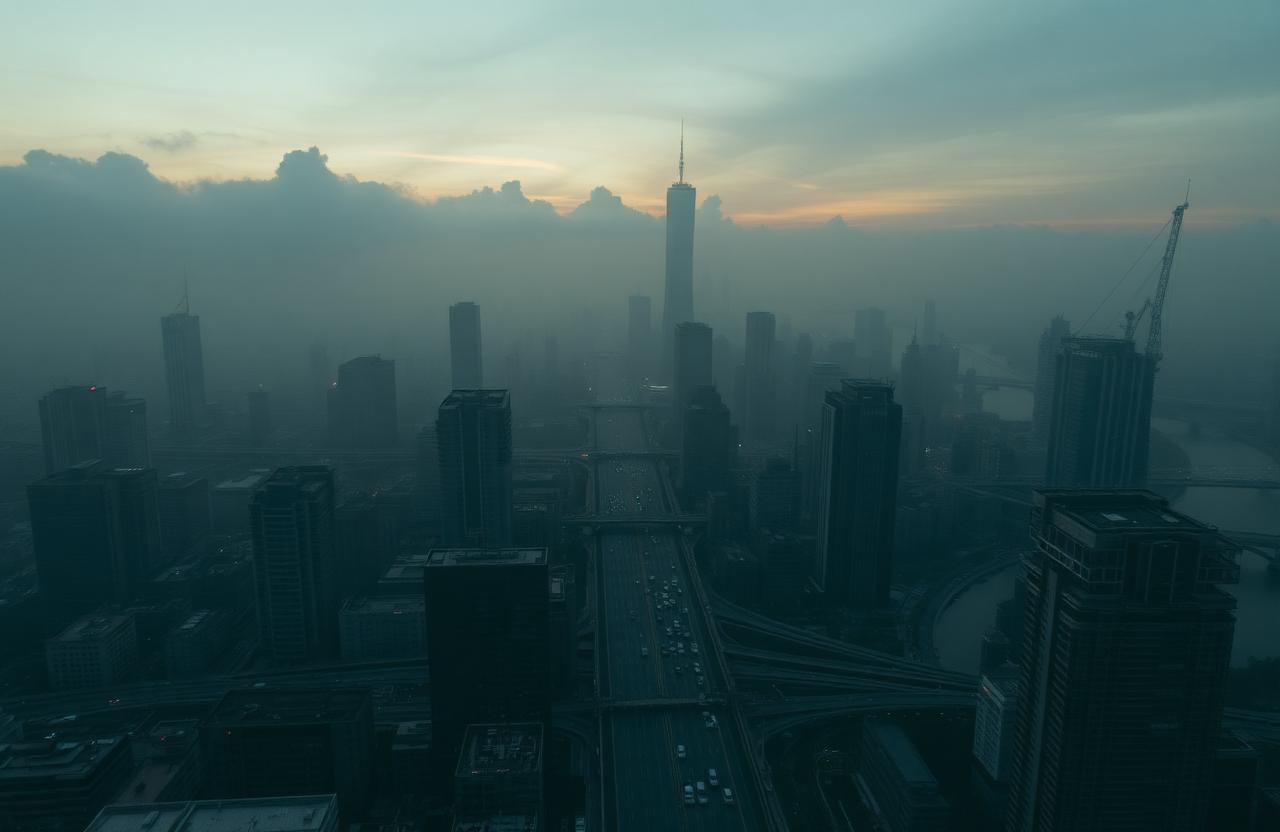 Today
TodayBy 2080, Haridwar has been reborn as a beacon of sustainable living, seamlessly blending its ancient spiritual heritage with cutting-edge ecological innovation. The city, once grappling with pilgrimage-driven environmental pressures, now thrives as a near-zero emission metropolis. Vertical forests climb towards the sky, housing vibrant communities, while the Ganges flows pristine, revered and protected by advanced biodiverse filtration systems. A harmonious balance between human activity and nature’s serenity defines this eco-spiritual sanctuary.
Traffic and Commute
Chaotic traffic, reliance on internal combustion engines, and congested narrow streets around temples.
→ A multi-modal public transit network featuring silent, high-speed maglev trains connecting major hubs, complemented by autonomous electric air-taxis for personalized, on-demand travel. Pedestrian-only zones around spiritual sites ensure tranquil pilgrimage experiences.
Pollution and Air Quality
Seasonal air pollution from vehicular emissions and burning (stubble, waste), and localized water pollution in the Ganges.
→ Near-zero emissions achieved through 100% renewable energy sources (solar, hydro, geothermal), advanced atmospheric carbon capture technologies, and widespread vertical gardens acting as natural air purifiers. The Ganges’ water quality is meticulously maintained through bio-remediation and smart sensor networks, ensuring it’s pristine enough for all spiritual and ecological needs.
Infrastructure and Green Spaces
Aging infrastructure, limited green spaces, and encroachment on natural floodplains.
→ Haridwar’s urban fabric is interwoven with extensive vertical forests, rooftop farms, and interconnected biodiverse parks that constitute 60% of the city's surface area. All buildings are constructed with sustainable, locally sourced materials, featuring integrated waste-to-energy systems and rainwater harvesting. Resilient, smart infrastructure adapts to climate shifts, while rehabilitated floodplains serve as natural reserves and carbon sinks.
Your turn