Udaipur · Vision generated
Udaipur 2030
Udaipur 2030: The Lake City, Resilient and Renewed.
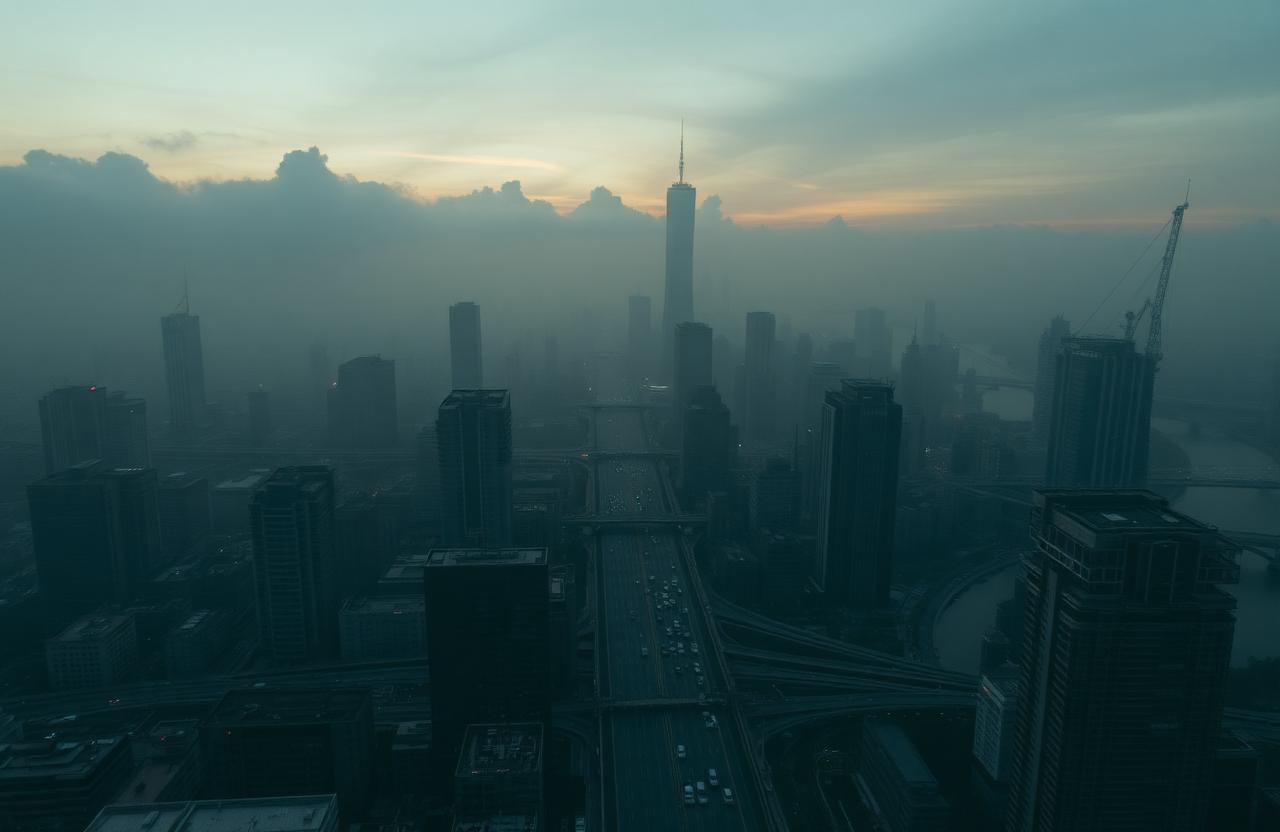
Climate-resilient style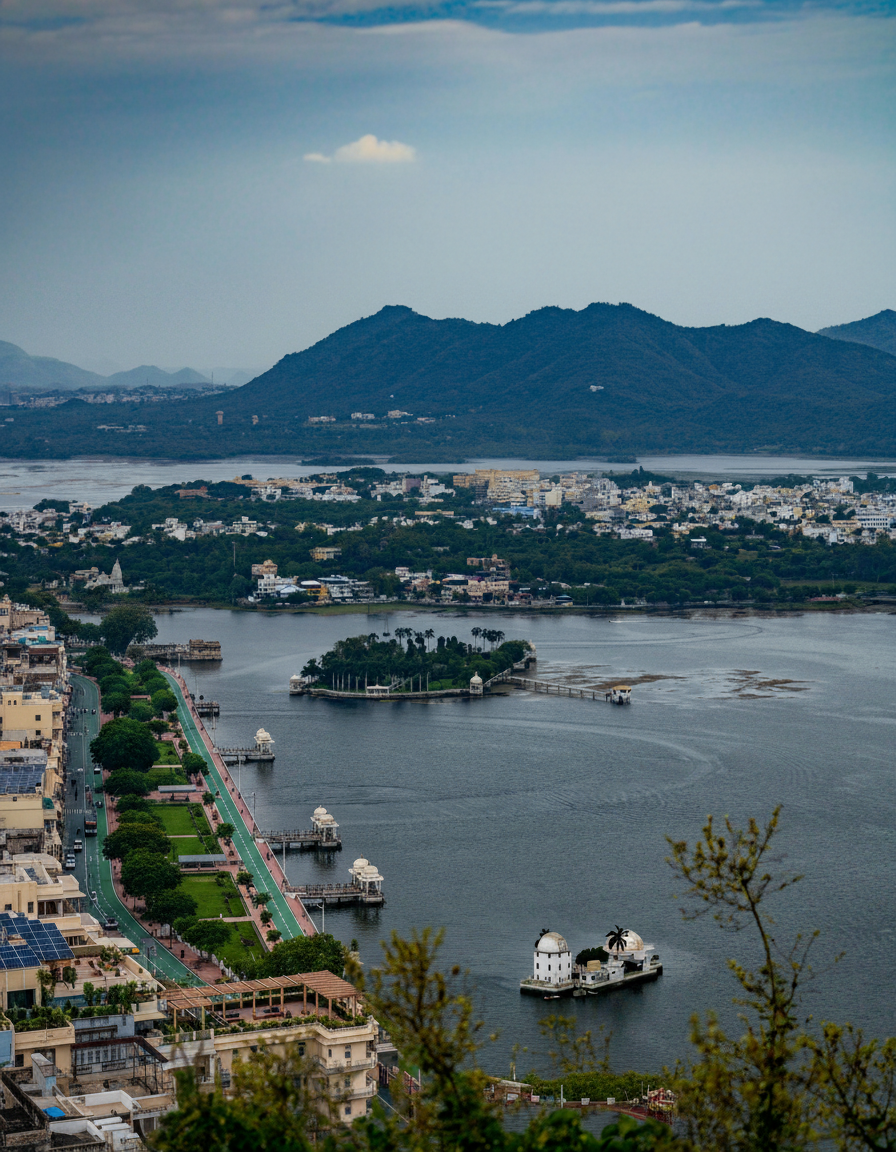 Reimagined
 Today
TodayBy 2030, Udaipur transforms into a climate-resilient oasis, safeguarding its historic charm and vital lakes. This vision prioritizes incremental yet impactful upgrades: enhancing sustainable transit to ease congestion and clean our air, retrofitting existing buildings for energy efficiency and flood protection, and strategically greening public spaces to combat urban heat. These pragmatic steps ensure that Udaipur not only withstands the impacts of climate change but thrives, offering a healthier, more equitable, and vibrant future for all residents.
Projected impact
AI estimate, not a forecastPM2.5 Concentration
from 45µg/m³ today
Average annual PM2.5 in Udaipur (2020-2022 baseline), target ~20% reduction.
Public Transport Ridership
from 15% daily commuters today
Estimated current public transport use, aiming for a 10-point increase through service expansion.
Area with Permeable Surfaces
from 10% of urban surface today
Estimated current permeable surface coverage, target modest increase in public spaces and new developments.
Buildings with Rainwater Harvesting
from 8% of buildings today
Estimated current adoption of RWH in Udaipur, targeting broader implementation through incentives and regulations.
Commute & Traffic
Udaipur's streets are often congested, especially in the old city, with a high reliance on private vehicles and auto-rickshaws contributing to noise and air pollution.
→ A revitalized public transport network, including expanded electric auto-rickshaw fleets and dedicated bus lanes, reduces congestion. Pedestrian and cycling infrastructure improvements make active transport a safer and more appealing option for short to medium distances.
Air Quality & Pollution
Vehicular emissions, dust from construction, and industrial activities contribute to periods of poor air quality, particularly PM2.5 and PM10, impacting public health.
→ Stricter emission standards, the transition to electric public and commercial vehicles, and urban greening initiatives significantly improve air quality. Public awareness campaigns promote anti-idling and sustainable waste management practices.
Green Infrastructure & Flood Resilience
Monsoon rains often lead to localized flooding, overwhelming existing drainage systems. Limited green spaces contribute to the urban heat island effect, particularly in dense areas.
→ Integrated blue-green infrastructure projects, including permeable pavements, expanded urban parks, and rehabilitated wetlands around existing lakes, enhance flood absorption. Retrofitting older buildings with green roofs and rainwater harvesting systems further reduces runoff and cools urban areas, protecting vulnerable communities.
Your turn