Chohtan · Vision generated
Chohtan 2080
Chohtan 2080: The Desert Bloom — A Symphony of Sand, Sun, and Sustainability.
Solarpunk style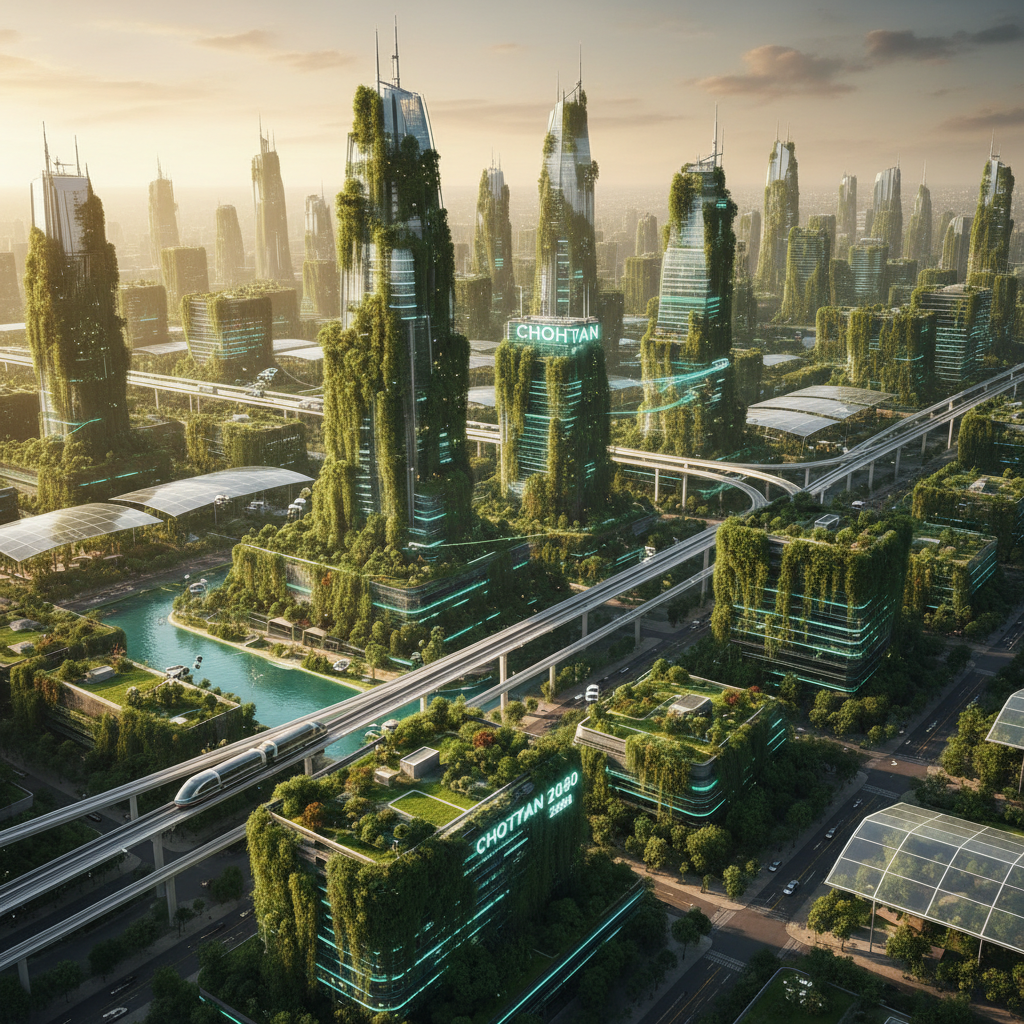 Reimagined
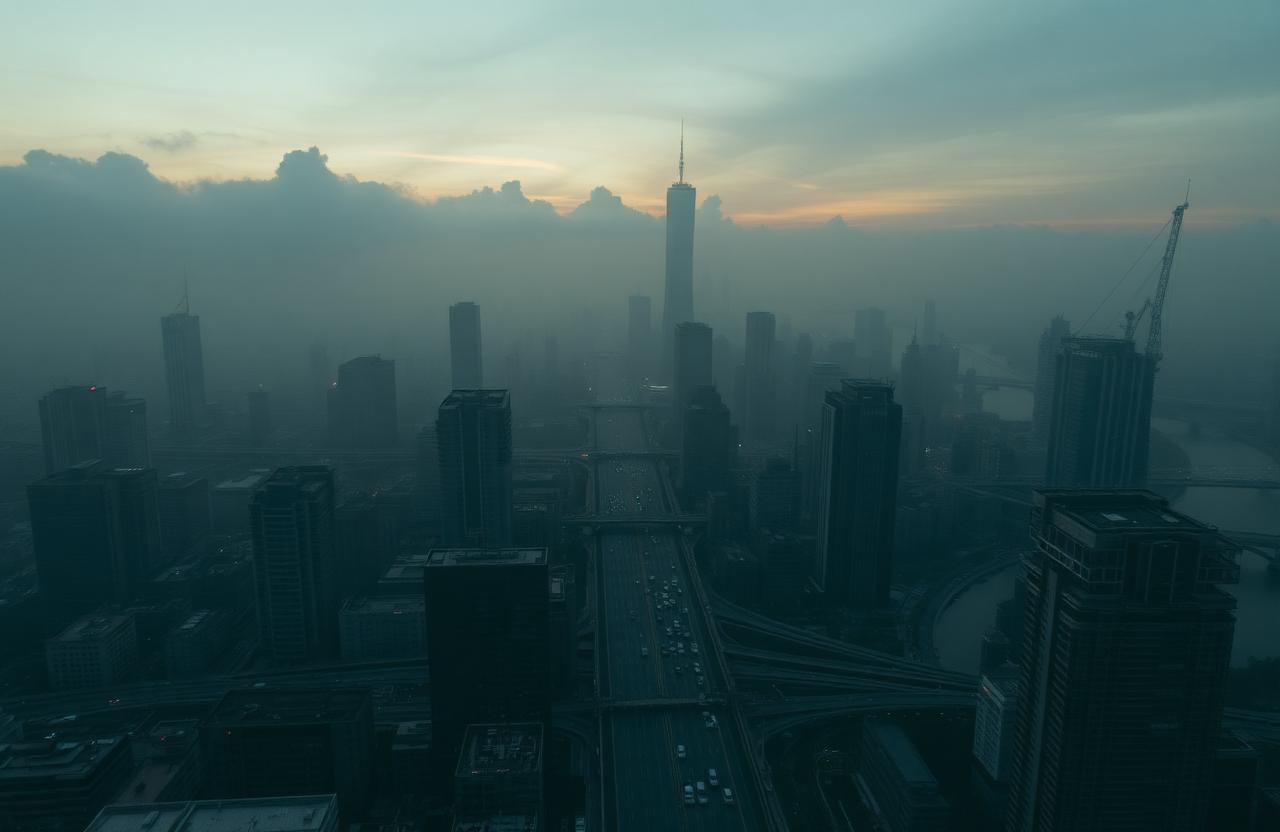 Today
TodayBy 2080, Chohtan has transcended its desert origins to become a beacon of sustainable urban living. Once a arid frontier, it is now a verdant oasis, powered by 100% renewable energy, primarily advanced concentrated solar power and geothermal. Its architecture seamlessly blends with the natural environment, featuring extensive biophilic design and vertical farms that provide over 70% of the city’s food, drastically reducing its carbon footprint. The city boasts an average air quality index of 15, making it one of the cleanest urban environments globally. Robotic systems handle most waste management, achieving a 98% recycling and upcycling rate, with the remaining 2% safely converted into bio-energy. Chohtan's transformation serves as a testament to humanity's ability to not just adapt, but to flourish in harmony with nature, even in the most challenging environments.
Traffic & Commute
Chaotic, unpaved roads with a mix of outdated vehicles and animal-drawn carts, leading to frequent congestion and slow travel times.
→ An integrated network of solar-powered maglev trains and autonomous electric air-taxis provides seamless, silent, and emission-free transit. Personal mobility is dominated by electric micro-vehicles and augmented reality-guided pedestrian pathways.
Pollution & Air Quality
Dust-laden air, exacerbated by vehicular emissions and limited green cover, often resulting in respiratory issues for residents.
→ Near-zero emissions across all sectors. Advanced atmospheric carbon capture systems integrated into super-buildings, coupled with vast urban forests and hydroponic green facades cover 60% of vertical surfaces, ensuring pristine air quality year-round.
Infrastructure & Green Spaces
Basic infrastructure with limited access to clean water, unreliable power, and negligible public green spaces, leading to a harsh living environment.
→ Chohtan is a 'vertical garden city.' Every building is a living ecosystem with integrated vertical farms, rainwater harvesting, and smart climate control. A decentralized, self-healing smart grid powered by local renewables provides uninterrupted energy. Public spaces are interconnected biomes with native desert flora, serving as biodiversity corridors and recreational havens.
Your turn