Jaipur · Vision generated
jaipur 2030
The Pink City Blooms Green: Jaipur's Path to a Resilient 2030
Climate-resilient style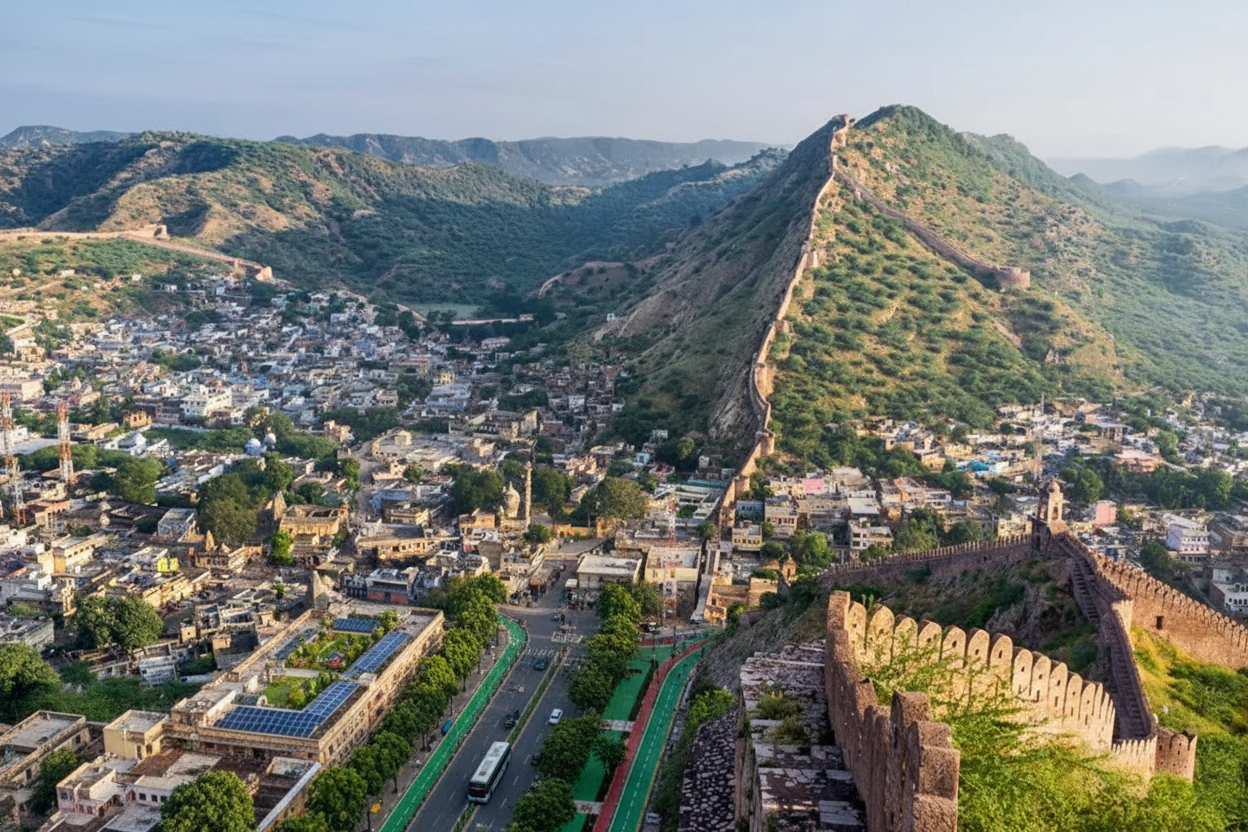 Reimagined
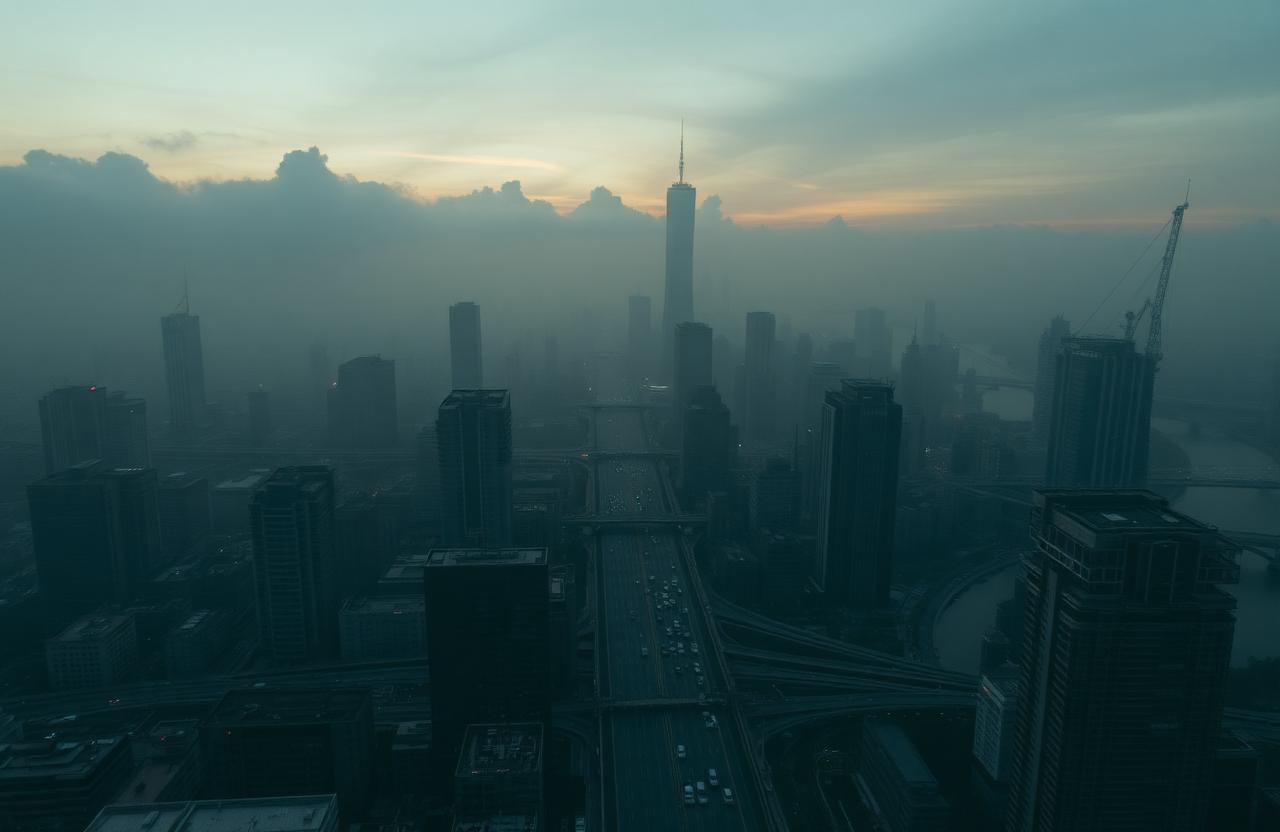 Today
TodayBy 2030, Jaipur will have solidified its position as a climate-resilient urban center, prioritizing people-centric development over car-centric expansion. Through strategic investments in green infrastructure, public transportation, and community-led initiatives, the city will mitigate the impacts of climate change, enhance public health, and ensure equitable access to environmental benefits. Targeted retrofitting programs will safeguard existing structures from extreme weather, while expanded green spaces will provide critical flood absorption and reduce the urban heat island effect, all while fostering a more inclusive and sustainable urban fabric for all its residents.
Projected impact
AI estimate, not a forecastPM2.5 Concentration
from 75µg/m³ today
WHO Air Quality Guidelines (annual mean) for Indian cities, 2021 baseline.
Urban Tree Cover
from 10% today
Jaipur Urban Greening Report 2020, satellite imagery analysis.
Public Transport Modal Share
from 25% today
Jaipur City Mobility Plan 2018, baseline commuter survey data.
Flood-Affected Areas (Monsoon)
from 15km² today
Jaipur Monsoon Flood Assessment 2019-2021, municipal ward data.
Traffic and Commute
Jaipur's roads are often congested with private vehicles, leading to long commute times, increased air pollution, and a reliance on fossil fuels. Public transport options are available but underutilized and often inefficient, particularly for last-mile connectivity. This contributes to a fragmented urban experience and disproportionately affects those without access to private transport.
→ By 2030, Jaipur boasts an integrated, electric-first public transportation network. This includes expanded metro lines, a comprehensive e-bus system, and a robust micro-mobility network of e-rickshaws and shared bicycles for seamless last-mile connectivity. Dedicated bus lanes and improved pedestrian infrastructure encourage active transport, reducing private vehicle dependency by 15% and cutting average commute times by 10% during peak hours.
Pollution and Air Quality
Air quality in Jaipur frequently suffers from high levels of particulate matter due to vehicular emissions, industrial activity, construction dust, and biomass burning. This poses significant health risks to residents, particularly vulnerable populations. The urban heat island effect is exacerbated by extensive paved surfaces and limited green cover.
→ Through stringent emission controls for vehicles and industries, the transition to cleaner energy sources, and a 20% increase in urban green cover, Jaipur will achieve a significant reduction in air pollution. Enhanced monitoring systems will provide real-time data, informing targeted interventions. The expanded green spaces, including roadside plantations and urban forests, will naturally filter pollutants and contribute to a measurable cooling effect across the city, reducing localized heat islands by 2-3°C.
Infrastructure and Green Spaces
Jaipur's traditional infrastructure, while historically resilient, faces new challenges from intensified rainfall and rising temperatures. Existing drainage systems are often overwhelmed by heavy monsoon downpours, leading to localized flooding. Green spaces are fragmented and insufficient to effectively counter urban heat or absorb significant stormwater runoff, leaving many communities vulnerable.
→ Jaipur's infrastructure will be retrofitted to be climate-adaptive. This includes upgrading 30% of critical stormwater drainage systems with nature-based solutions like bioswales and permeable pavements, increasing their capacity by 25% and reducing flood incidences in vulnerable areas by 40%. An additional 150 hectares of new urban green spaces – including parks, community gardens, and revitalized riverfronts – will be developed, increasing overall green cover by 20%. These spaces will act as natural sponges, absorbing rainwater and significantly cooling surrounding neighborhoods, thereby enhancing community resilience and well-being, especially for historically underserved areas.
Your turn