Dehradun · Vision generated
DEHRADUN 2030
Dehradun 2030: The Smart Green Gateway to the Himalayas.
Solarpunk style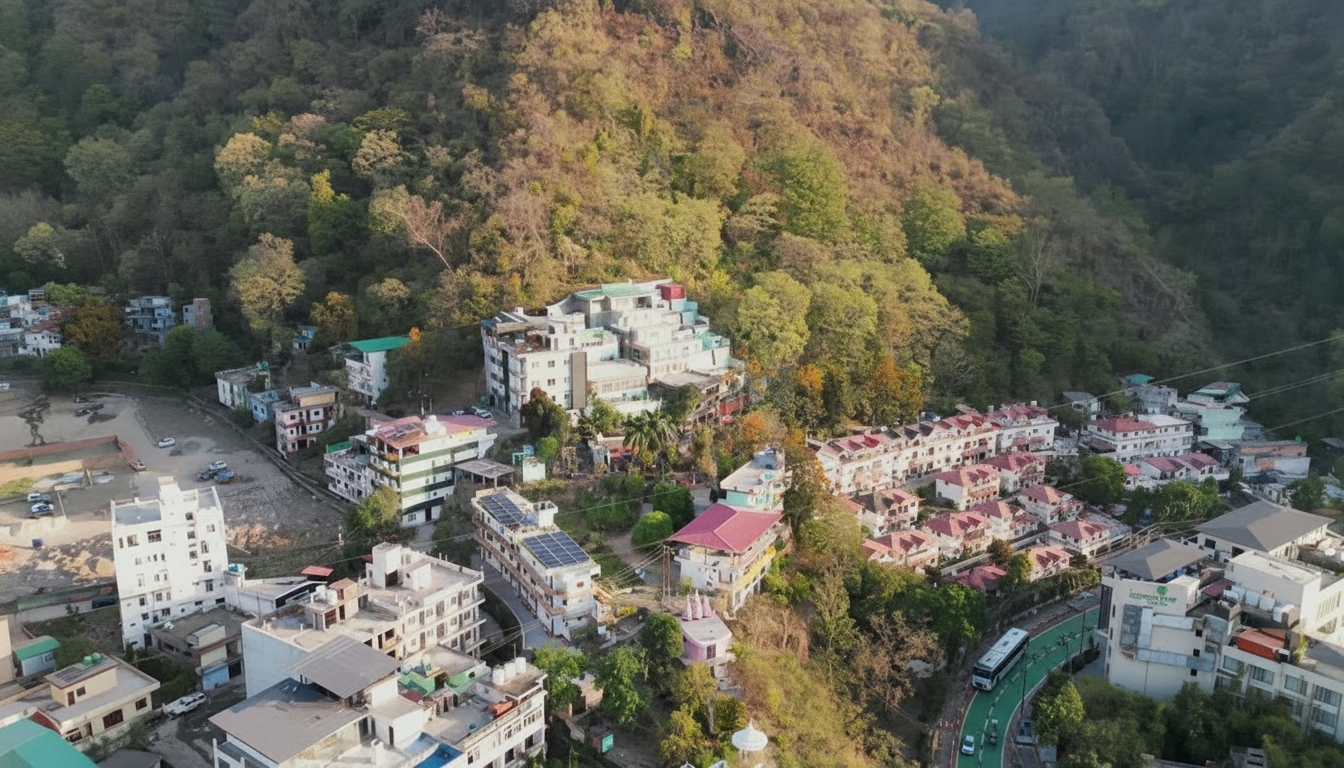 Reimagined
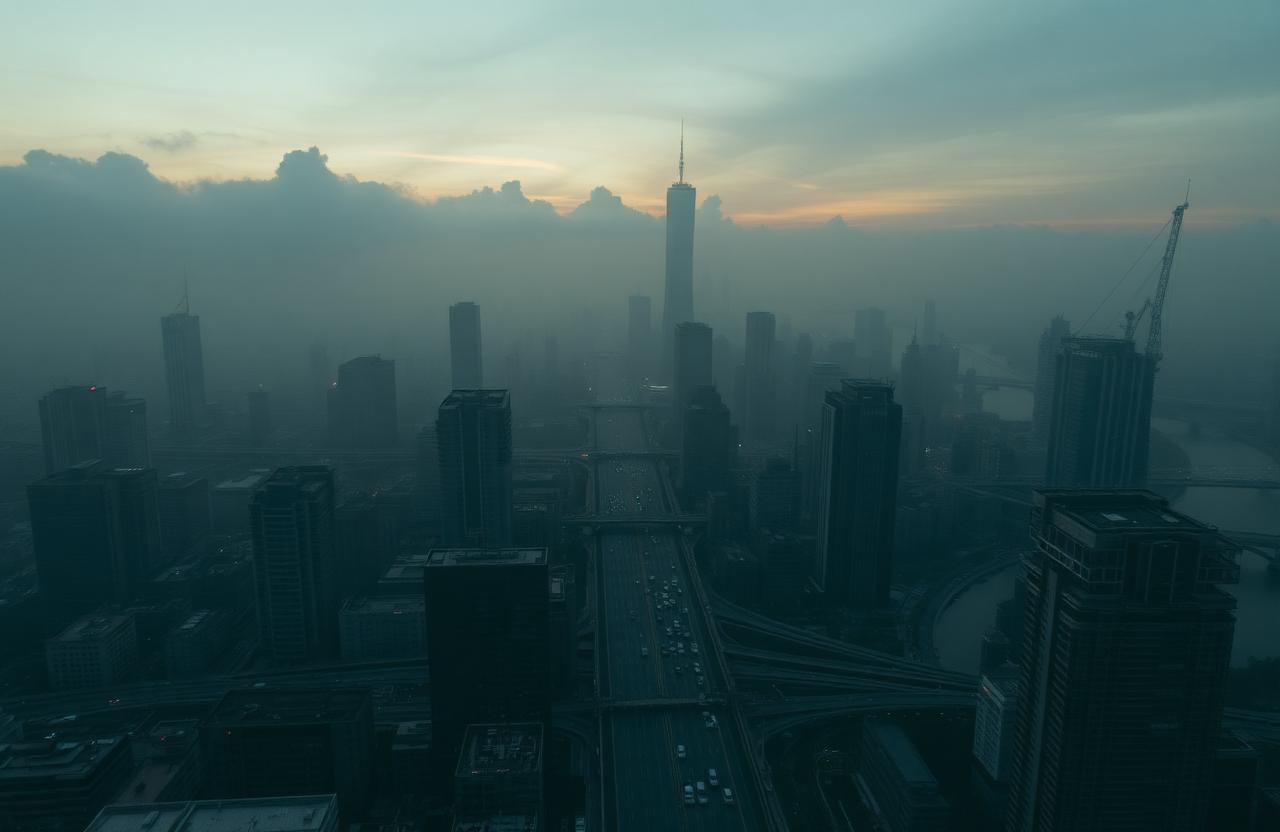 Today
TodayBy 2030, Dehradun transforms into a leading example of sustainable urban living in the Himalayan foothills. Through strategic investments in eco-friendly infrastructure and community-led initiatives, the city has significantly reduced its carbon footprint, improved air quality, and fostered a greener, more livable environment for its residents and visitors alike. It\
Traffic and Commute
Daily traffic congestion on Rajpur Road averages 2 hours during peak times, with reliance on private vehicles leading to high emissions.
→ Peak-hour congestion on major arteries like Rajpur Road is down by 40%. An integrated public transport network, including 50 electric buses and expanded cycling lanes, accounts for 30% of daily commutes.
Pollution and Air Quality
Air quality often dips to 'poor' or 'very poor' levels, particularly in winter, due to vehicular emissions and biomass burning.
→ Air quality is consistently 'satisfactory' or 'good' for 280 days a year, a 35% improvement. This is attributed to stricter emission norms, a 20% increase in green spaces, and the adoption of cleaner cooking fuels in over 60% of households.
Infrastructure and Green Spaces
Green spaces are fragmented, covering less than 15% of the urban area, with limited public access and biodiversity initiatives.
→ The city's green cover has expanded by 25%, with 5 new urban forests and 10 revitalized public parks covering 20% of the urban footprint. Rainwater harvesting is mandated for new constructions, contributing to a 15% reduction in municipal water demand.
Your turn