Haridwar · Vision generated
Haridwar 2030
Haridwar 2030: A Greener Gauna, A Cleaner Kumbh
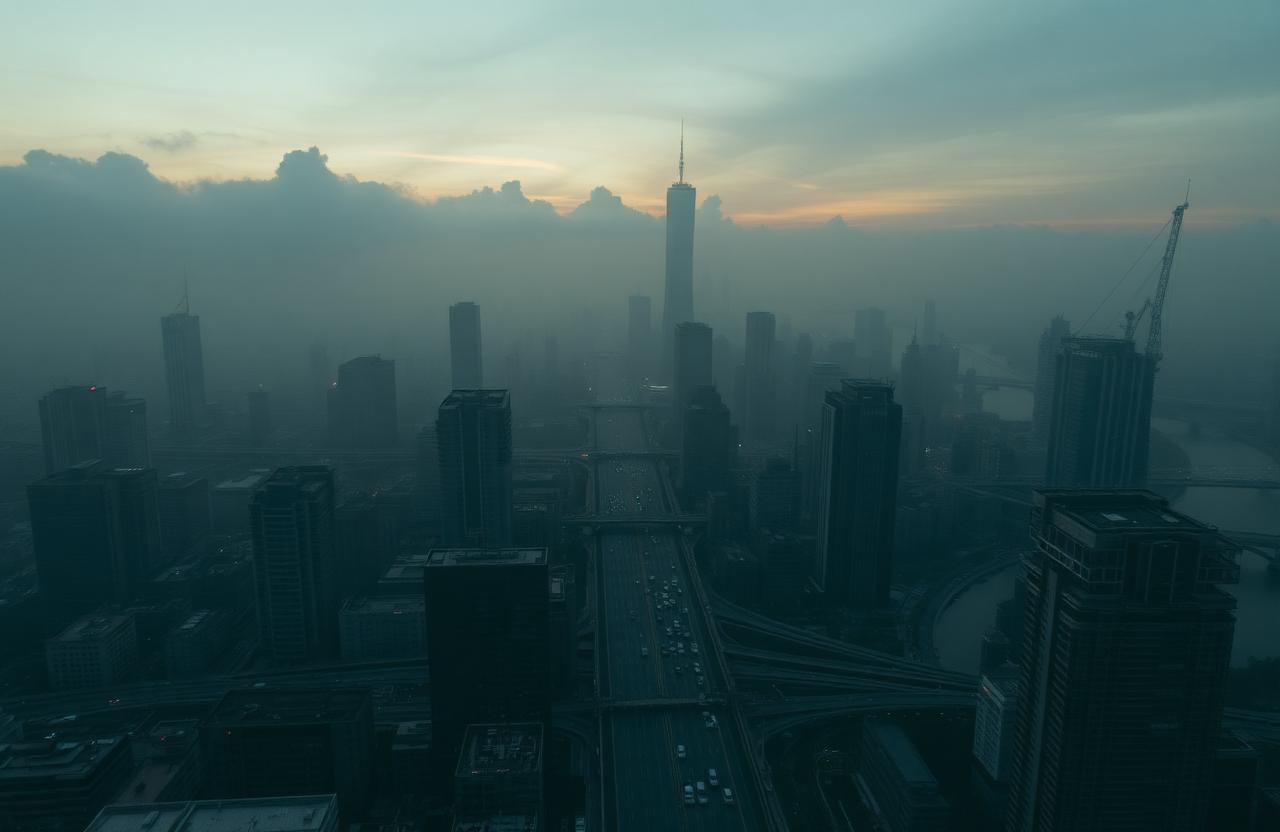
Solarpunk style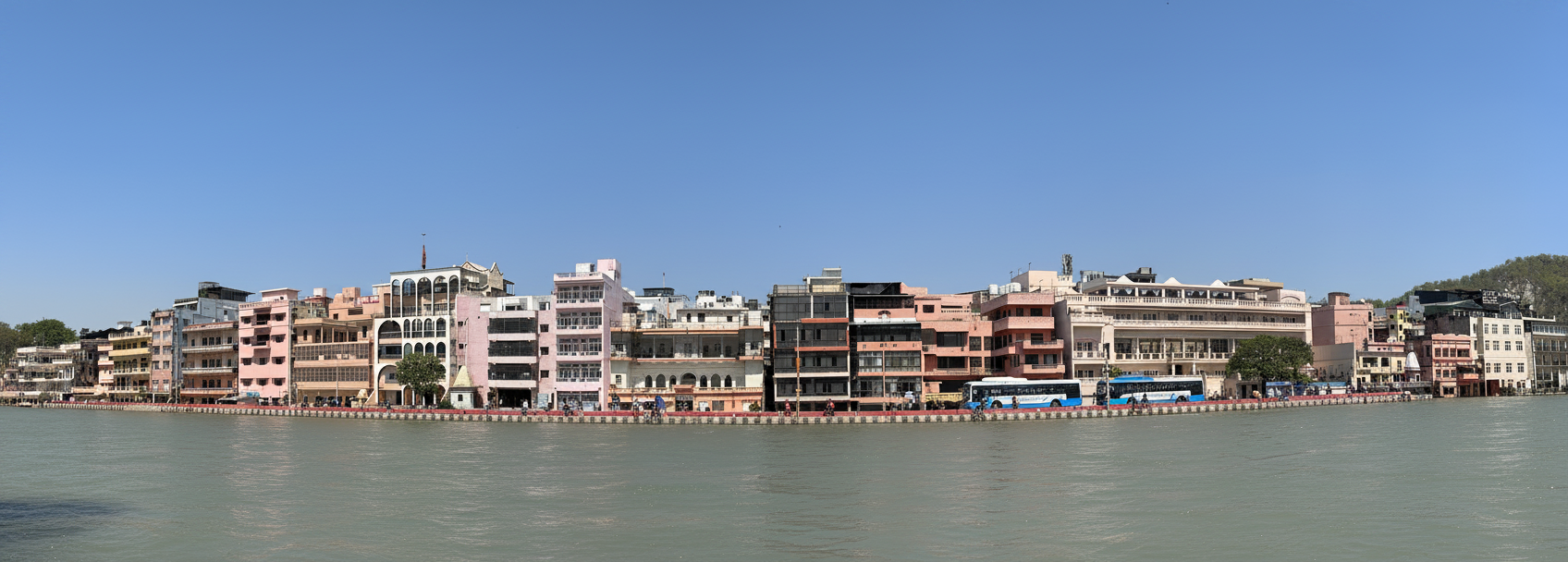 Reimagined
 Today
TodayBy 2030, Haridwar will have embraced a pragmatic yet powerful transformation, building upon its spiritual heritage to create a more sustainable urban environment. Focused on incremental but impactful changes, the city will boast cleaner air, more efficient public transport, and a noticeable integration of green infrastructure, setting a precedent for future ecological advancements while preserving its unique cultural identity.
Traffic & Commute
Chaotic traffic, reliance on personal vehicles, significant congestion around religious sites, and inadequate public transport infrastructure.
→ A 30% reduction in traffic congestion due to expanded electric rickshaw networks, a new fleet of electric buses serving major routes, and the introduction of a smart traffic management system that optimizes flow, reducing average commute times by 15%.
Pollution & Air Quality
High levels of air pollution from vehicle emissions, industrial activity, and waste burning; visible smog on many days, especially in winter months.
→ A 25% improvement in air quality, with PM2.5 levels reduced by 20% due to the widespread adoption of electric vehicles, stricter industrial emission controls, and a city-wide waste-to-energy plant that eliminates open burning and generates clean power.
Infrastructure & Green Spaces
Limited green spaces, encroached riverbanks, and an aging wastewater treatment system contributing to Ganga pollution.
→ 15 new urban parks and green corridors, increasing green cover by 10%. The Ganga riverfront will feature restored ecological zones and a fully upgraded wastewater treatment capacity, ensuring 90% of urban wastewater is treated before discharge, significantly improving river water quality.
Your turn