Udaipur · Vision generated
Udaipur 2050
Udaipur 2050: The Lake City, Resilient and Reborn — A Symphony of Heritage, Water, and Green.
Climate-resilient style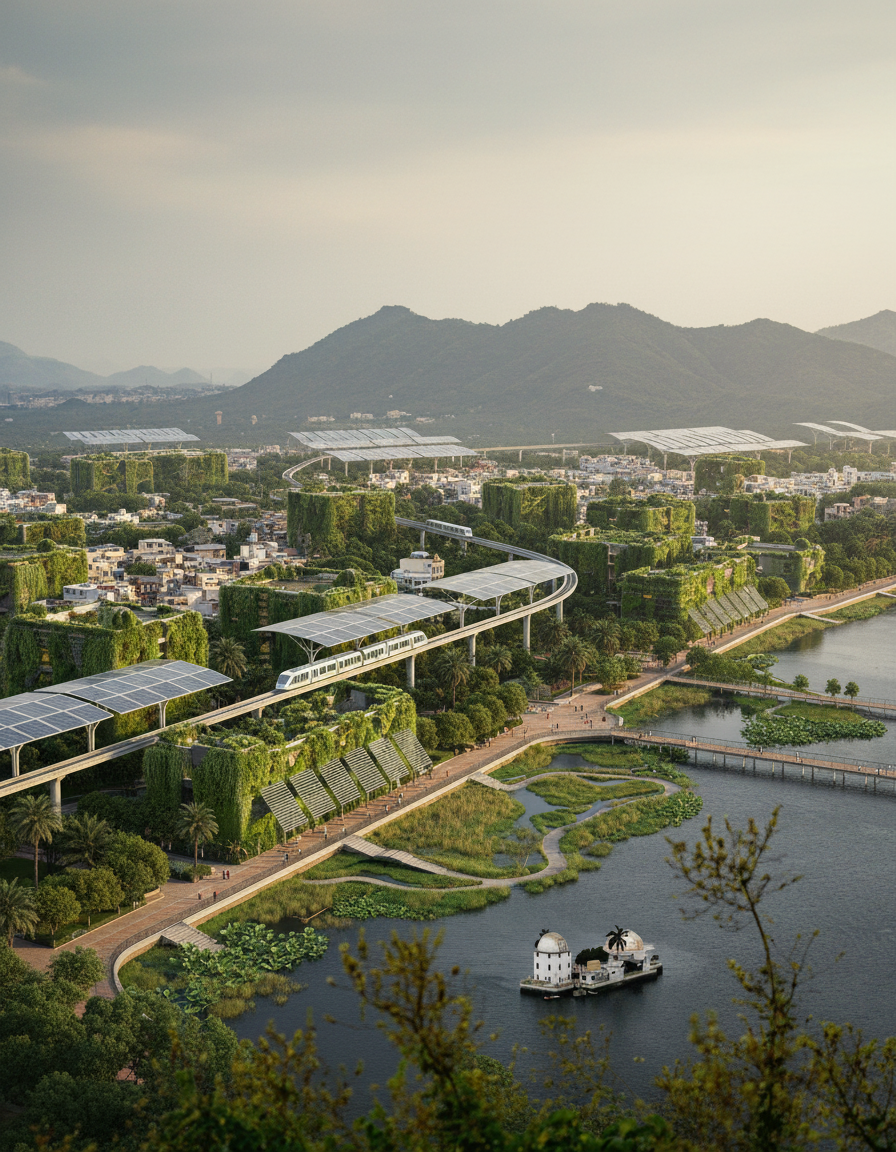 Reimagined
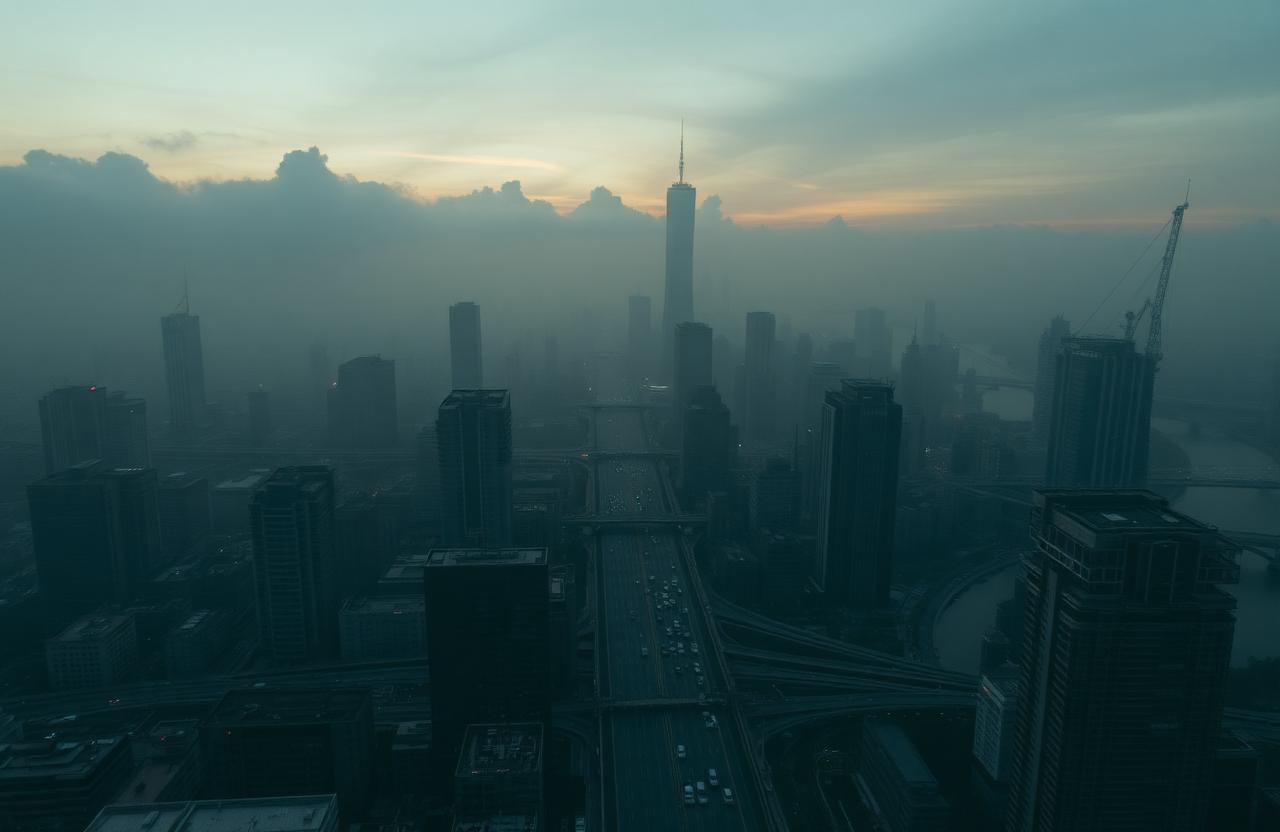 Today
TodayBy 2050, Udaipur transforms into a global exemplar of climate-resilient urbanism, seamlessly integrating ancient water wisdom with cutting-edge green infrastructure. The city reclaims its historic lakes and interconnected wetland systems, turning them into natural sponges that absorb floodwaters and cool urban heat islands. A comprehensive network of elevated, electric mass transit reduces reliance on private vehicles, while widespread green retrofits of existing buildings improve energy efficiency and air quality. This transformation prioritizes environmental equity, ensuring all communities benefit from enhanced green spaces, cleaner air, and protection from climate impacts, solidifying Udaipur's legacy as a sustainable heritage city.
Projected impact
AI estimate, not a forecastPM2.5
from 45µg/m³ today
Average 2023 PM2.5 (NCAP 2023 data); target based on WHO interim target 2
Urban Green Cover
from 12% today
Estimated 2023 tree cover and urban parks; target based on 2050 urban forestry goals
Public Transit Share
from 15% today
Estimated 2023 modal share; target based on major city shifts to sustainable transport.
Flood Absorption Capacity
from 50% of peak monsoon rainfall today
Estimated 2023 retention capacity; target based on enhanced wetland and green infrastructure.
Traffic & Commute
Chaotic traffic, reliance on private vehicles and auto-rickshaws leading to congestion, noise pollution, and increased emissions within the historic core and surrounding areas. Average commute times are increasing, and public transport options are limited, particularly for last-mile connectivity. Parking scarcity further exacerbates the problem, pushing vehicles into residential streets and green spaces.
→ A fully integrated, elevated electric mass transit system, complemented by extensive pedestrian and cycling networks, dramatically reduces private vehicle use by 70%. Commute times are halved, and air quality improves significantly. Micro-mobility hubs at transit stops ensure seamless last-mile connectivity, while smart traffic management systems optimize remaining vehicle flow, prioritizing emergency services and delivery vehicles. Public spaces once dominated by parking are now vibrant pedestrian zones and green corridors.
Air Quality & Pollution
Significant air pollution from vehicle emissions, industrial activity, and construction dust, particularly PM2.5 and PM10, frequently exceeding WHO guidelines. This impacts public health, visibility, and the aesthetic appeal of the city's heritage sites. Odor pollution from inadequate waste management and stagnant water bodies further detracts from the urban experience.
→ Clean, breathable air restored through stringent emission standards, widespread adoption of electric vehicles, and a vast expansion of urban greenery acting as natural air filters. PM2.5 levels are reduced by 60%, consistently meeting national air quality standards. Advanced waste-to-energy systems eliminate odor pollution and convert waste into a valuable resource, contributing to a circular economy. The revitalized lake system and green corridors create a refreshing microclimate, naturally mitigating dust and airborne particulates.
Infrastructure & Green Space
Aging infrastructure struggles with monsoon floods and heatwaves. Impermeable surfaces dominate, exacerbating runoff and urban heat island effects. Green spaces are fragmented and poorly maintained, offering limited ecological benefits and public access. The historic lake system faces encroachment and pollution, diminishing its natural flood absorption and aesthetic value. Many buildings lack climate-resilient features.
→ Udaipur's infrastructure is revitalized with nature-based solutions. The historic lake system and interconnected wetlands are fully restored, acting as dynamic flood absorption zones capable of managing 150% of peak monsoon rainfall. 70% of existing buildings undergo green retrofits with cool roofs, vertical gardens, and rainwater harvesting systems, reducing urban temperatures by 3-5°C and decreasing energy consumption by 40%. Public green spaces expand by 50%, forming a continuous network of biodiverse corridors that enhance urban ecology, provide recreational opportunities, and improve climate resilience for all residents.
Your turn