Jaipur · Vision generated
jaipur 2050
The Pink City Blooms Anew: Jaipur 2050 – Resilient, Green, and Equitable.
Climate-resilient style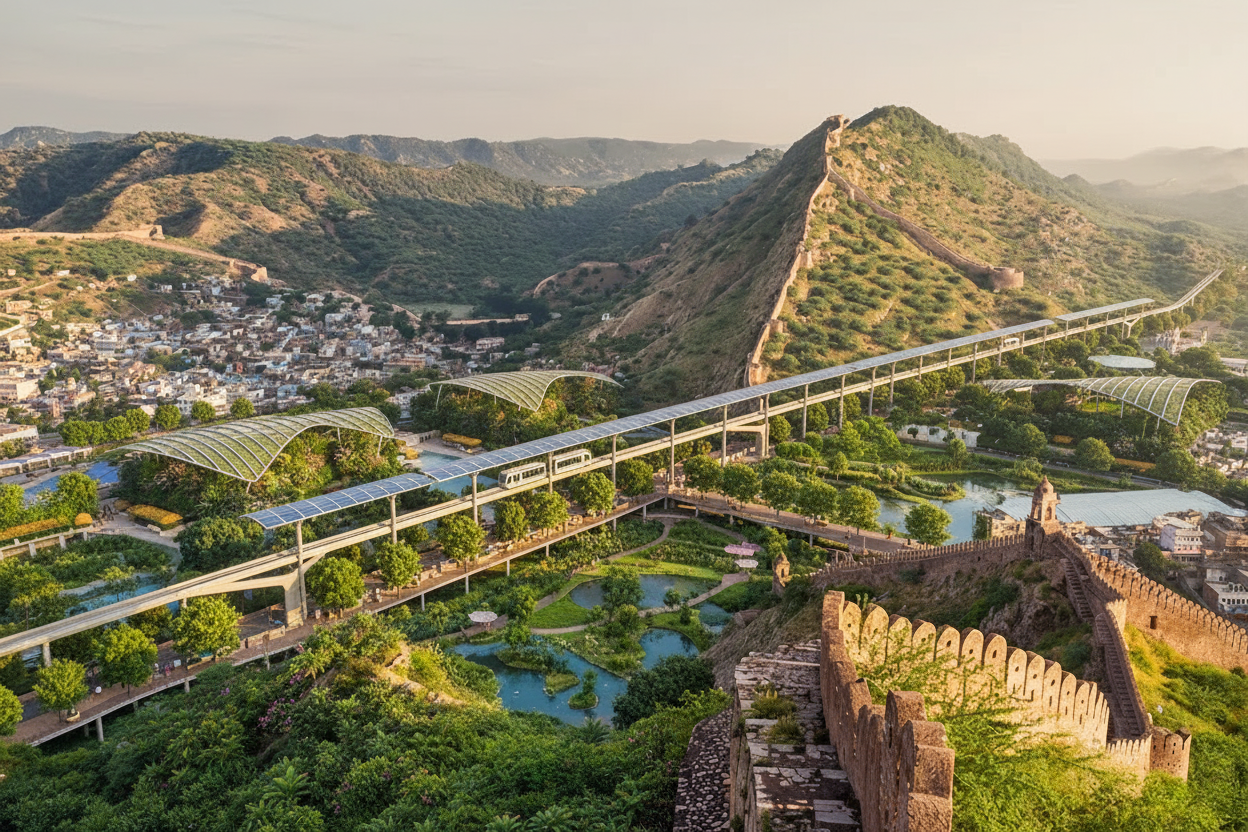 Reimagined
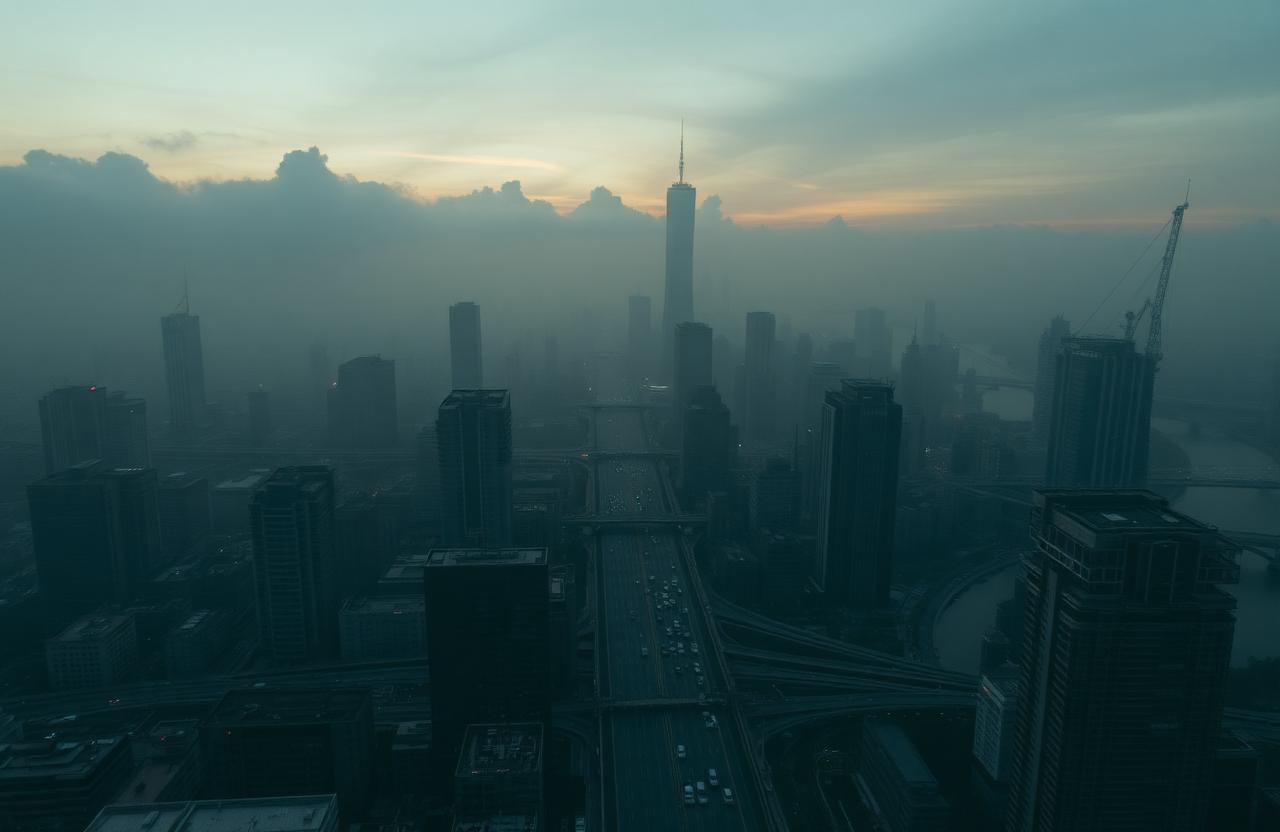 Today
TodayBy 2050, Jaipur will have transformed into a leading example of urban climate resilience. Through widespread green retrofits, a revolutionary elevated transit system, and meticulously restored ecosystems, the city will significantly reduce its vulnerability to extreme weather while enhancing public health and quality of life. This vision prioritizes flood absorption, mitigates urban heat, bolsters storm resilience, and champions retrofitting over demolition, ensuring that the benefits of climate protection are enjoyed equitably by all residents.
Projected impact
AI estimate, not a forecastPM2.5 Concentration
from 55µg/m³ today
Average annual PM2.5 (2020-2022, IQAir) vs. WHO interim target 3
Public Transit Ridership
from 15% modal share today
Estimated current share (Jaipur city transport) vs. ambitious global city benchmarks
Urban Green Cover (all types)
from 12% today
Estimated current green space (Jaipur Development Authority reports) vs. target based on UN recommendations
Peak Urban Heat Island Intensity
from 4.5°C today
Satellite imagery analysis (NASA ARSET) urban-rural temperature difference vs. target via greening & reflective surfaces
Traffic & Commute
Jaipur's commutes are characterized by heavy reliance on private vehicles, leading to chronic congestion, extended travel times, and significant air pollution, especially on arterial roads like JLN Marg and Ajmer Road. Public transport, while present, struggles to offer a truly viable alternative for many, resulting in an average commute time of 45-60 minutes during peak hours.
→ By 2050, Jaipur's urban core and surrounding areas are seamlessly connected by a state-of-the-art elevated electric rapid transit system, integrated with a network of dedicated cycling superhighways and electric rickshaw routes. This multi-modal approach has reduced private vehicle dependency by 70%, slashing average commute times within the city to a mere 15-20 minutes, even during peak periods. Digital platforms ensure efficient, on-demand micro-mobility services fill any last-mile gaps.
Air Quality
Currently, Jaipur experiences significant air pollution, particularly PM2.5 and PM10, often exceeding national and international safety standards. Major contributors include vehicular emissions, industrial activity, construction dust, and burning of biomass, leading to frequent 'poor' or 'very poor' air quality days that impact public health.
→ By 2050, Jaipur breathes clean. A combination of a fully electric public and private vehicle fleet, stringent industrial emission controls, and extensive urban greening has led to a remarkable 80% reduction in airborne particulate matter. Smart air quality monitoring systems provide real-time data, and nature-based solutions, like bio-filter walls and green corridors, actively cleanse the air, ensuring consistently healthy breathing environments across the city.
Green Infrastructure & Flood Resilience
Jaipur's current infrastructure struggles with monsoon rains, leading to widespread waterlogging and localized flooding in low-lying areas. Existing drainage systems are often overwhelmed, and limited permeable surfaces exacerbate runoff, straining urban services and causing economic disruption. Green spaces are often fragmented and not effectively integrated for ecological functions.
→ Jaipur in 2050 is a 'sponge city.' Over 60% of urban surfaces are permeable, incorporating extensive green roofs, bioswales, rain gardens, and revitalized natural drainage channels. The city's numerous parks and open spaces have been redesigned as interconnected ecological corridors, enhancing biodiversity and providing critical flood absorption capacity. A decentralized urban water management system recharges groundwater and reuses stormwater, ensuring both flood resilience and water security, while a city-wide mandate for green retrofits on all existing buildings transforms them into living, stormwater-absorbing assets.
Your turn