Haridwar · Vision generated
Haridwar 2050
Haridwar 2050: Where Ancient Spirituality Meets Eco-Futurism
Solarpunk style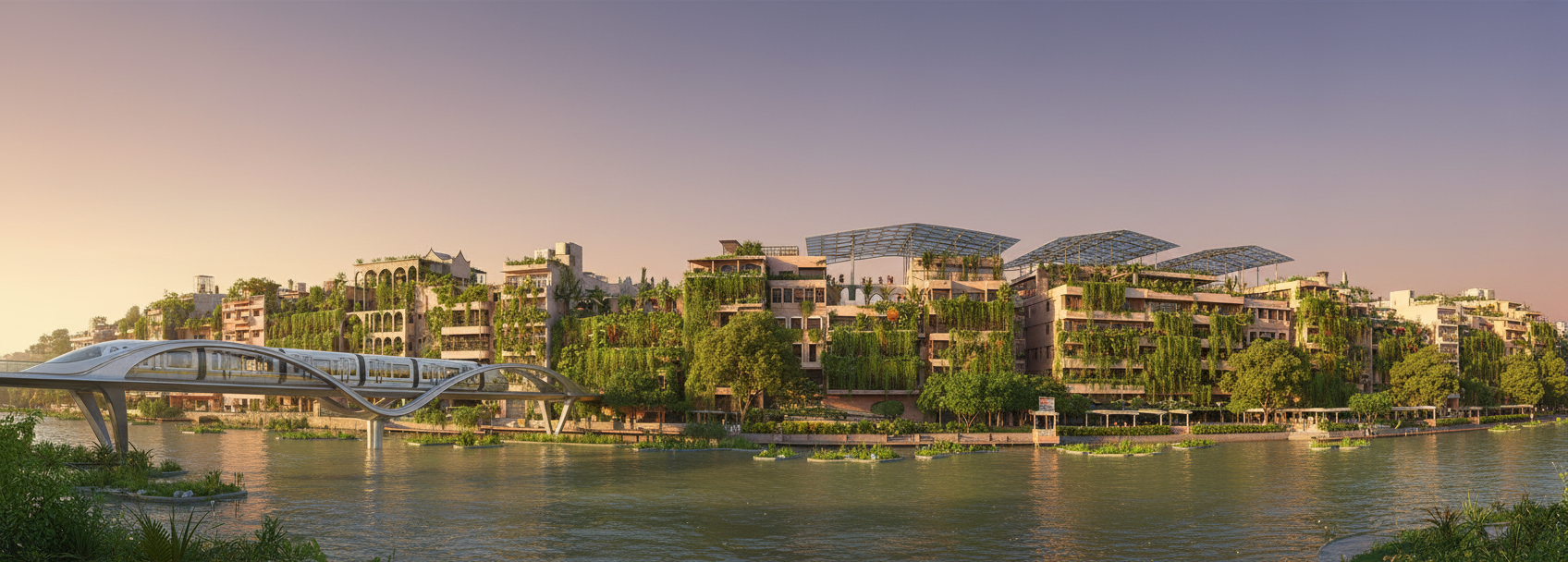 Reimagined
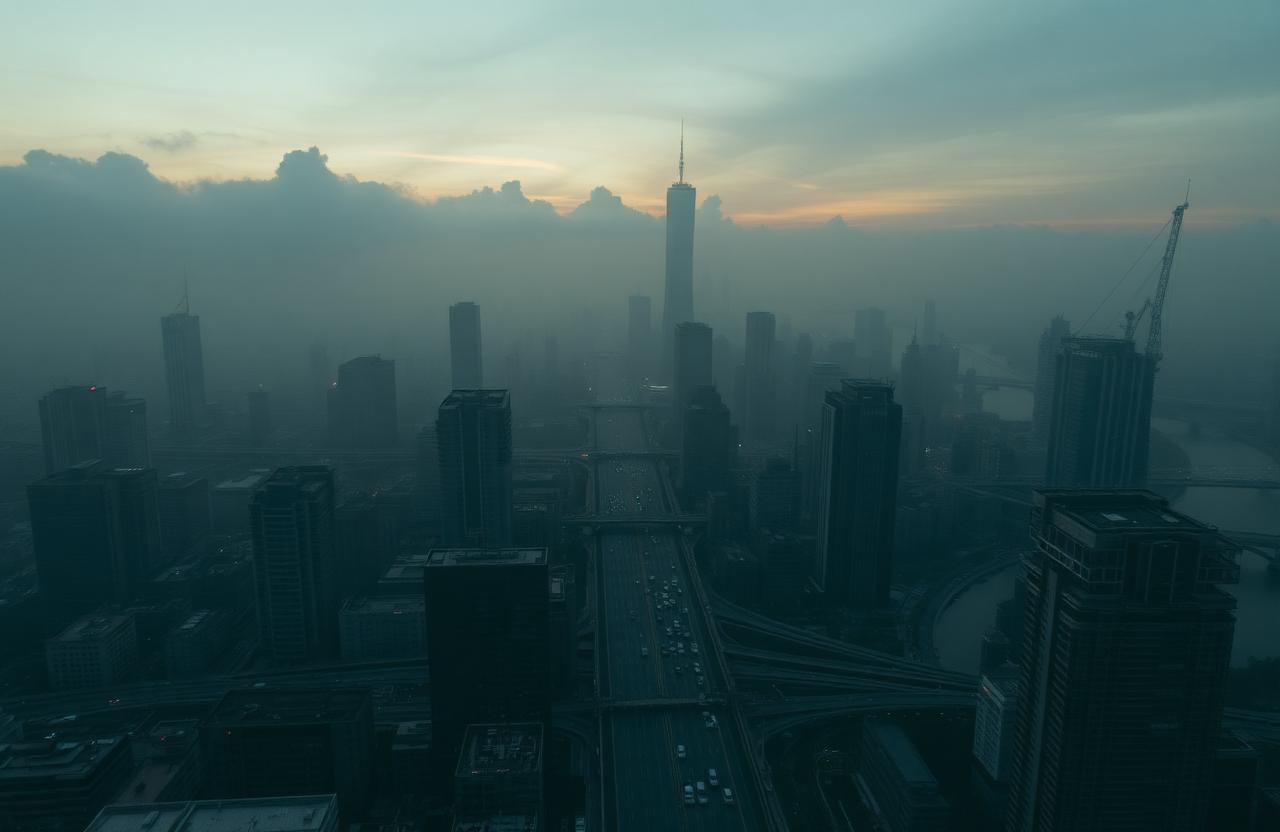 Today
TodayBy 2050, Haridwar has reimagined its urban fabric to honor its sacred traditions while embracing radical sustainability. The city, once grappling with pilgrim-generated pollution and traffic, is now a beacon of ecological restoration and spiritual renewal. Advanced green infrastructure, vertical farms, and a revitalized Ganges flow through a city powered entirely by renewable energy, demonstrating a harmonious coexistence between humanity and nature.
Traffic and Commute
Chaotic traffic, reliance on internal combustion engines, and limited public transport leading to congestion, noise, and air pollution, especially during peak pilgrim seasons.
→ 80% reduction in private vehicle use within city limits. An elevated network of electric, autonomous pod-taxis and silent e-rickshaws seamlessly connects all major sites. 60% of daily commutes are made via a smart, integrated public transit system, including revitalized water ferries on the Ganges.
Pollution and Air Quality
High levels of air and water pollution, particularly in the Ganges river, due to industrial discharge, untreated sewage, and pilgrim waste, leading to ecological degradation and public health concerns.
→ The Ganges river is now 95% free of industrial and domestic pollutants, with 100% of wastewater treated and repurposed. Advanced air purification systems integrated into buildings and public spaces ensure PM2.5 levels are consistently below 5 µg/m³. The city boasts a 70% reduction in its carbon footprint compared to 2020 levels.
Infrastructure and Green Spaces
Aging infrastructure, limited green spaces, and encroachment on natural habitats, struggling to cope with population growth and environmental pressures.
→ Haridwar is a bio-integrated city with 40% more green spaces than 2020. Every building is a 'living' structure, incorporating vertical gardens, rainwater harvesting, and solar panels. A 200-acre biodiversity corridor along the Ganges has been rewilded, supporting a diverse range of native flora and fauna, and serving as a vital urban lung. All new developments adhere to a 'net-positive' environmental impact standard.
Your turn