Dehradun · Vision generated
DEHRADUN 2050
Dehradun 2050: The Smart Foothill City
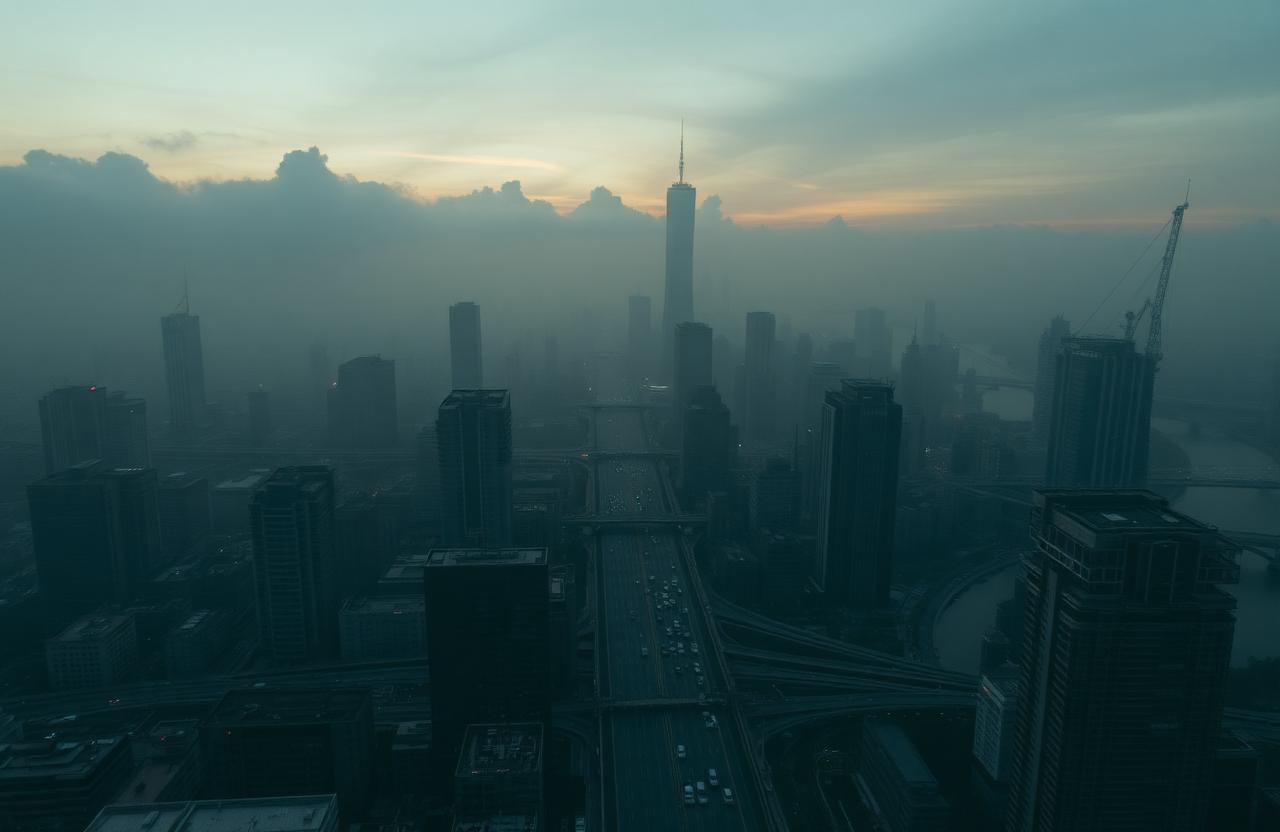
Solarpunk style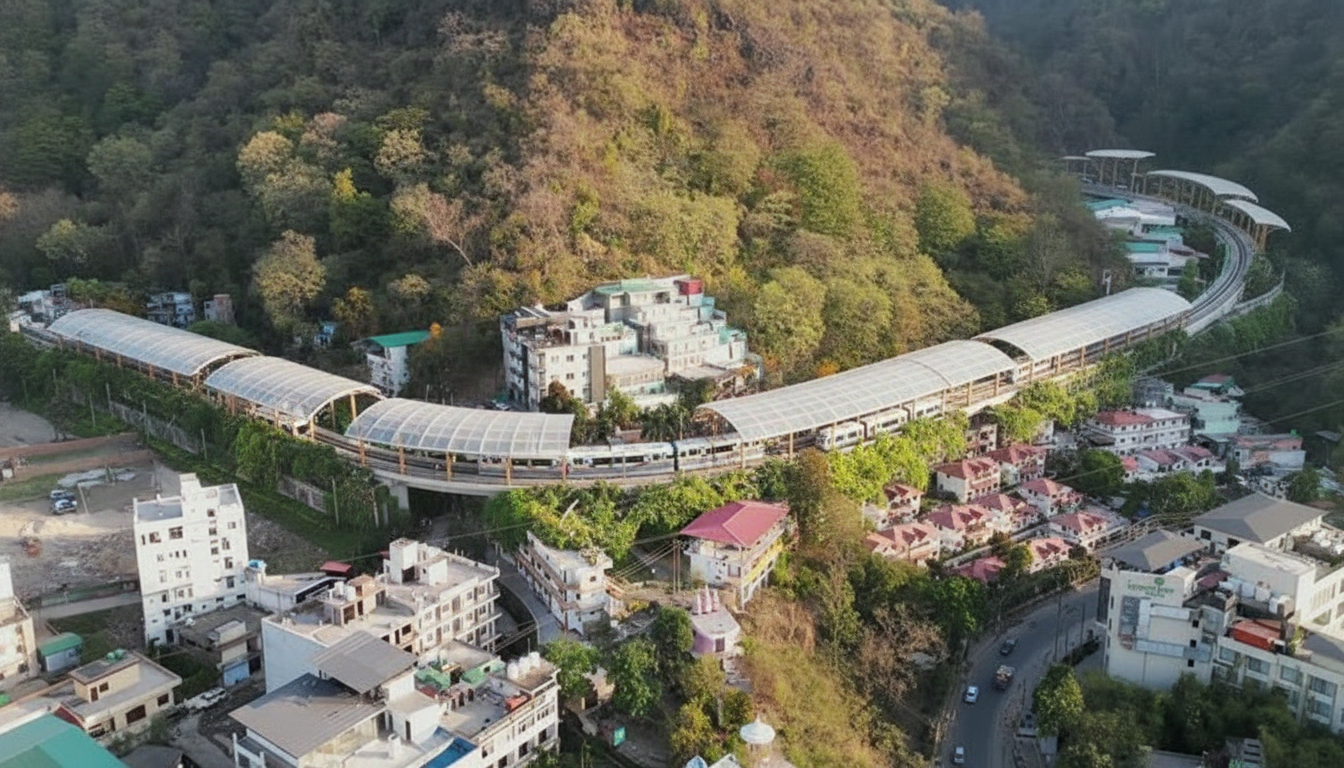 Reimagined
 Today
TodayDehradun, once plagued by congestion and ecological degradation, has been reborn as a beacon of sustainable urban living. By 2050, it is a city seamlessly integrated with its natural Himalayan surroundings, where technology and green infrastructure nurture a thriving community and a vibrant ecosystem. The air is clean, the rivers flow pure, and its citizens enjoy a quality of life enhanced by intelligent urban design and a profound respect for nature.
Traffic & Commute
Dehradun's roads are choked with an ever-increasing number of private vehicles, leading to constant traffic jams and frustrating commutes. Public transport is inadequate and often unreliable.
→ A fully integrated, multi-modal transit system dominates. Elevated electric light rail glides above pedestrianized boulevards, complemented by a network of smart e-rickshaws and ubiquitous bike-sharing. 85% of commutes are now by sustainable transport, reducing travel times by 40%.
Pollution & Air Quality
Vehicular emissions, industrial pollution, and improper waste management contribute to alarmingly high levels of air and water pollution, impacting public health and the environment.
→ Dehradun breathes freely with pristine air quality, consistently ranking in the global top 10 for urban air. This is achieved through 100% renewable energy powering all public services, a ban on internal combustion engines, and widespread reforestation efforts. Advanced bio-filtration systems purify wastewater before it replenishes the rejuvenated Rispana and Bindal rivers, which now boast diverse aquatic life.
Infrastructure & Green Spaces
Rapid, unplanned urbanization has encroached upon green spaces and natural water bodies. Infrastructure struggles to keep pace with population growth, leading to resource strain.
→ Dehradun is a living landscape. All new and retrofitted buildings feature vertical gardens, green roofs, and rainwater harvesting, increasing urban green cover by 150%. The city has meticulously restored 70% of its former forested areas and natural wetlands, integrating them with urban planning. Smart grids manage decentralized energy and water, achieving 95% resource efficiency and making the city largely self-sufficient.
Your turn